



Patrimoniu Cătărat
HERITAGE ALOFT Restored Heritage · Reinterpreted Heritage · Replicated Heritage
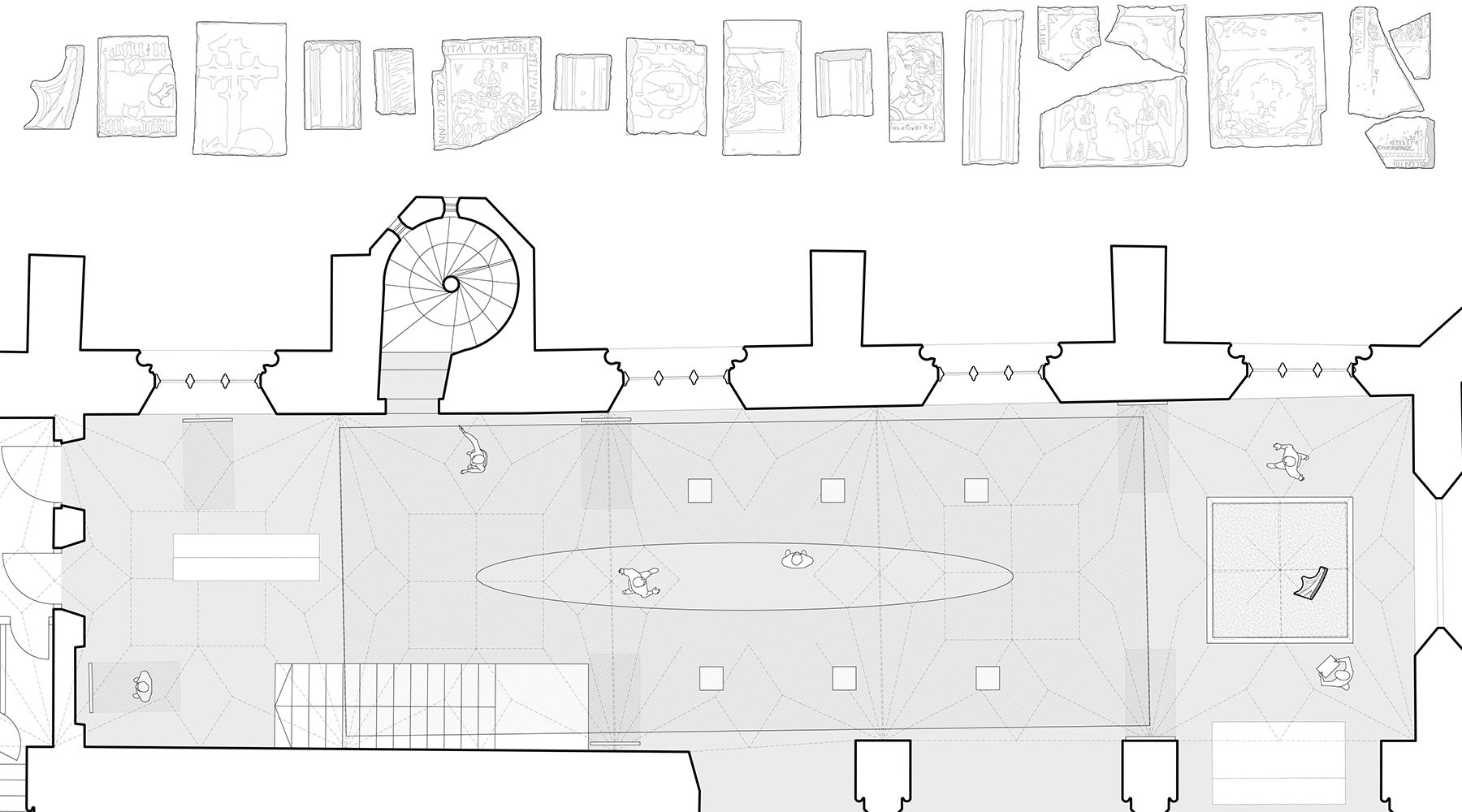
Heritage Aloft is a travelling exhibition programme centred on stone artefacts recovered during archaeological investigations at the Evangelical Cathedral in Sibiu. Stone fragments found within floors, underground and embedded in the historic structures of the cathedral complex become starting points for exploring how heritage is perceived, passed on and transformed. Despite its role in shaping identity, what we call “heritage” cannot be fully understood by any single generation. Each era accesses the past through the tools, information and questions available to it. We cannot fully recreate what once was; we can define what we know, what we can demonstrate and what we choose to imagine. The exhibition occupies the space between certainty and hypothesis, with its three iterations exploring different stages of this knowledge.
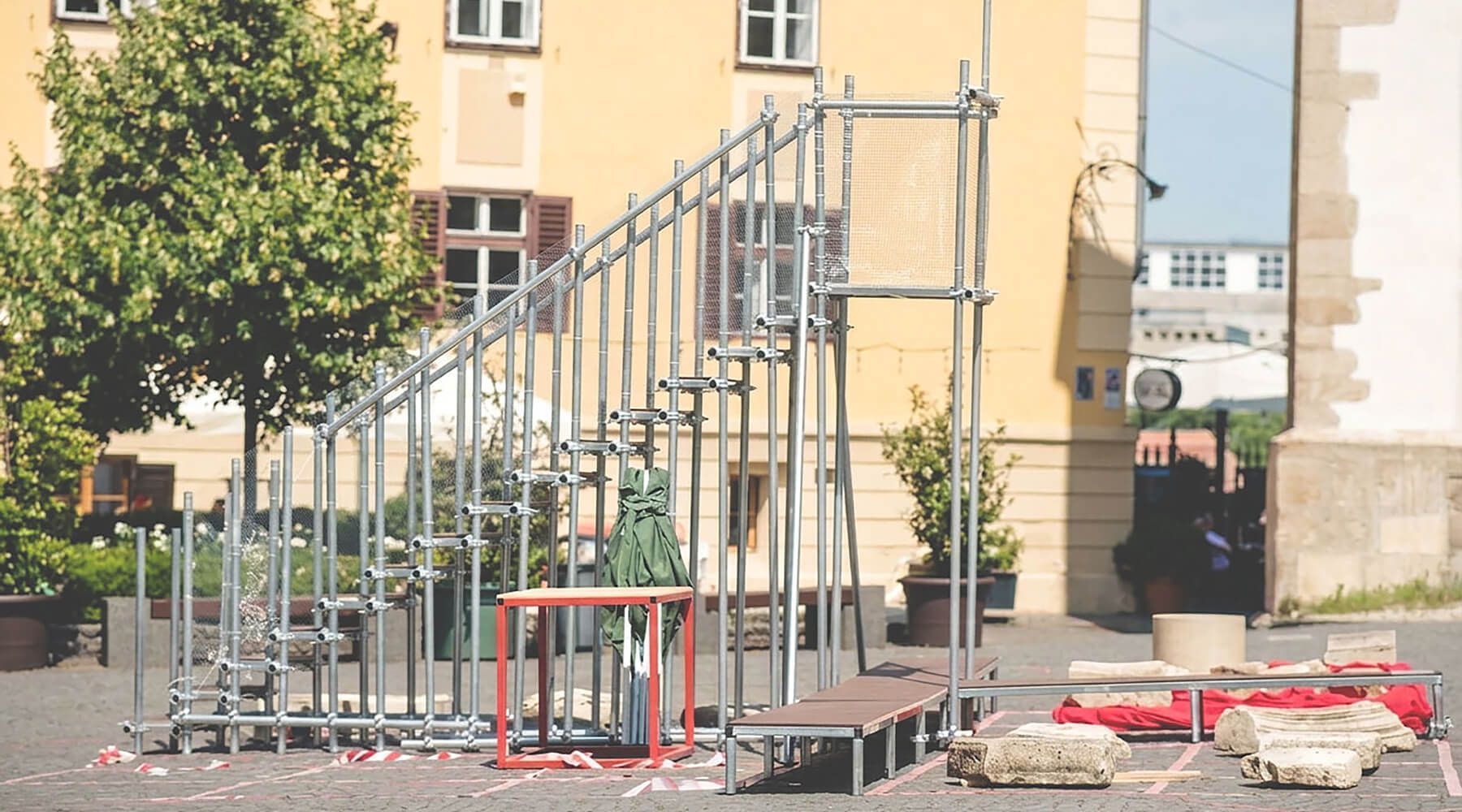
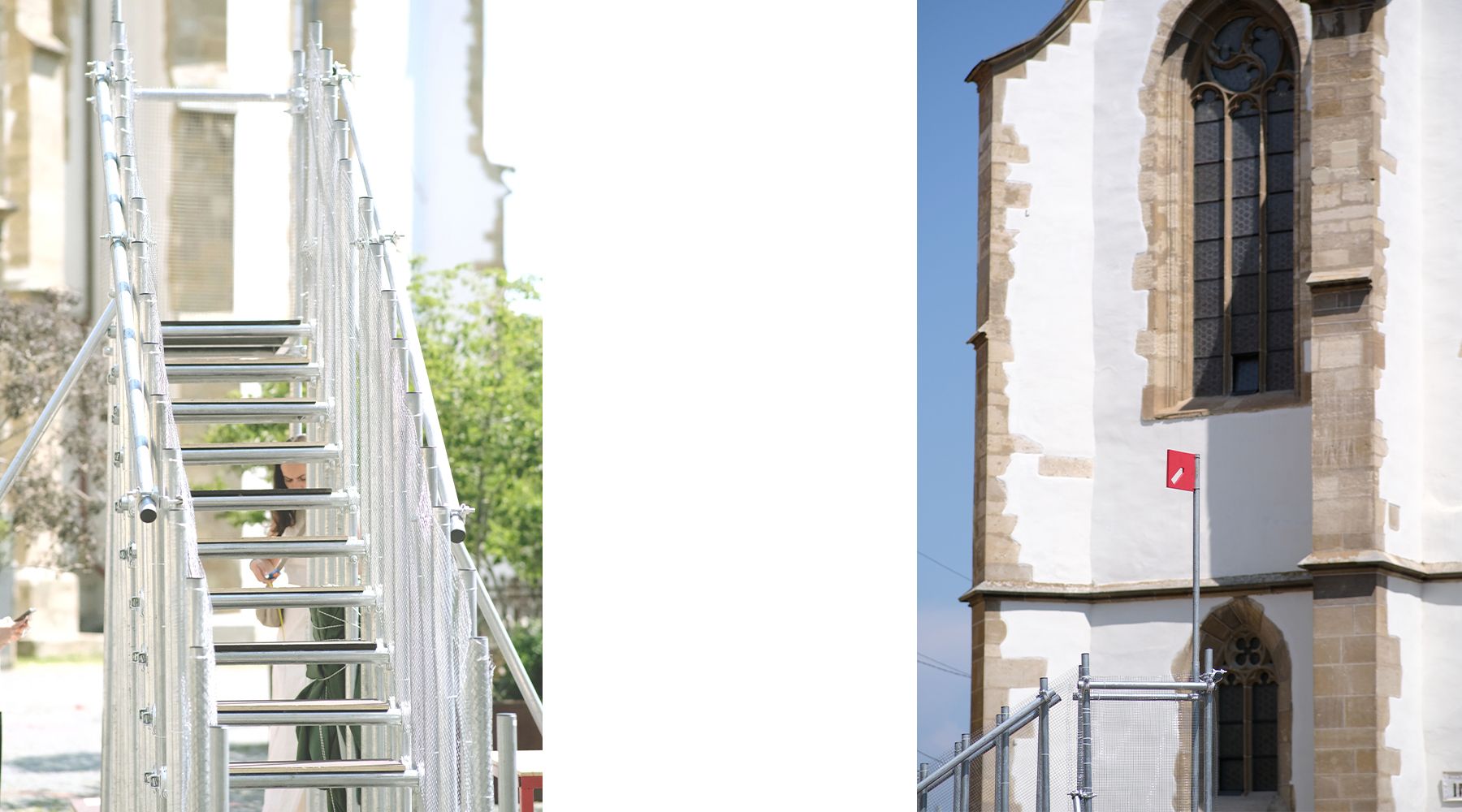
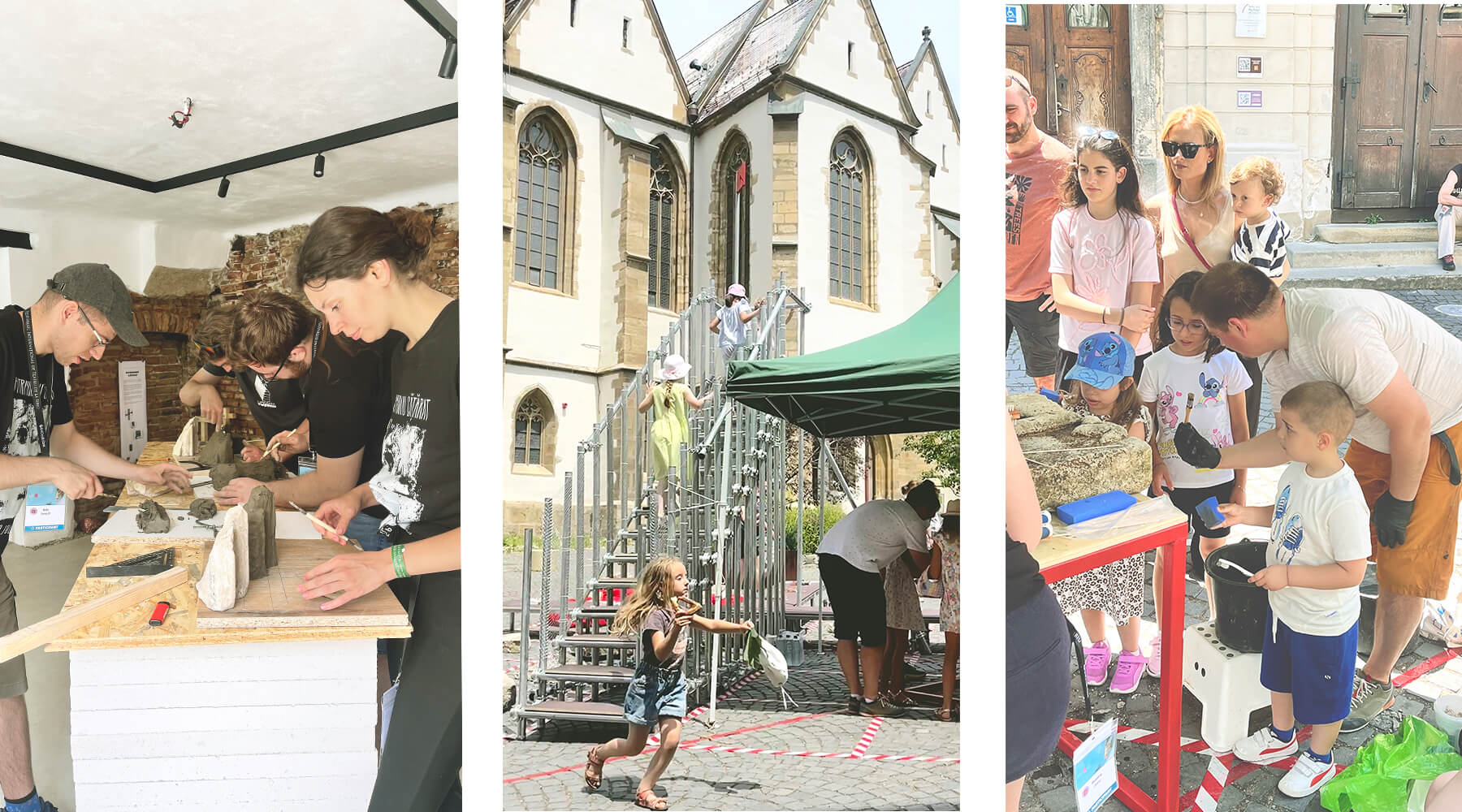
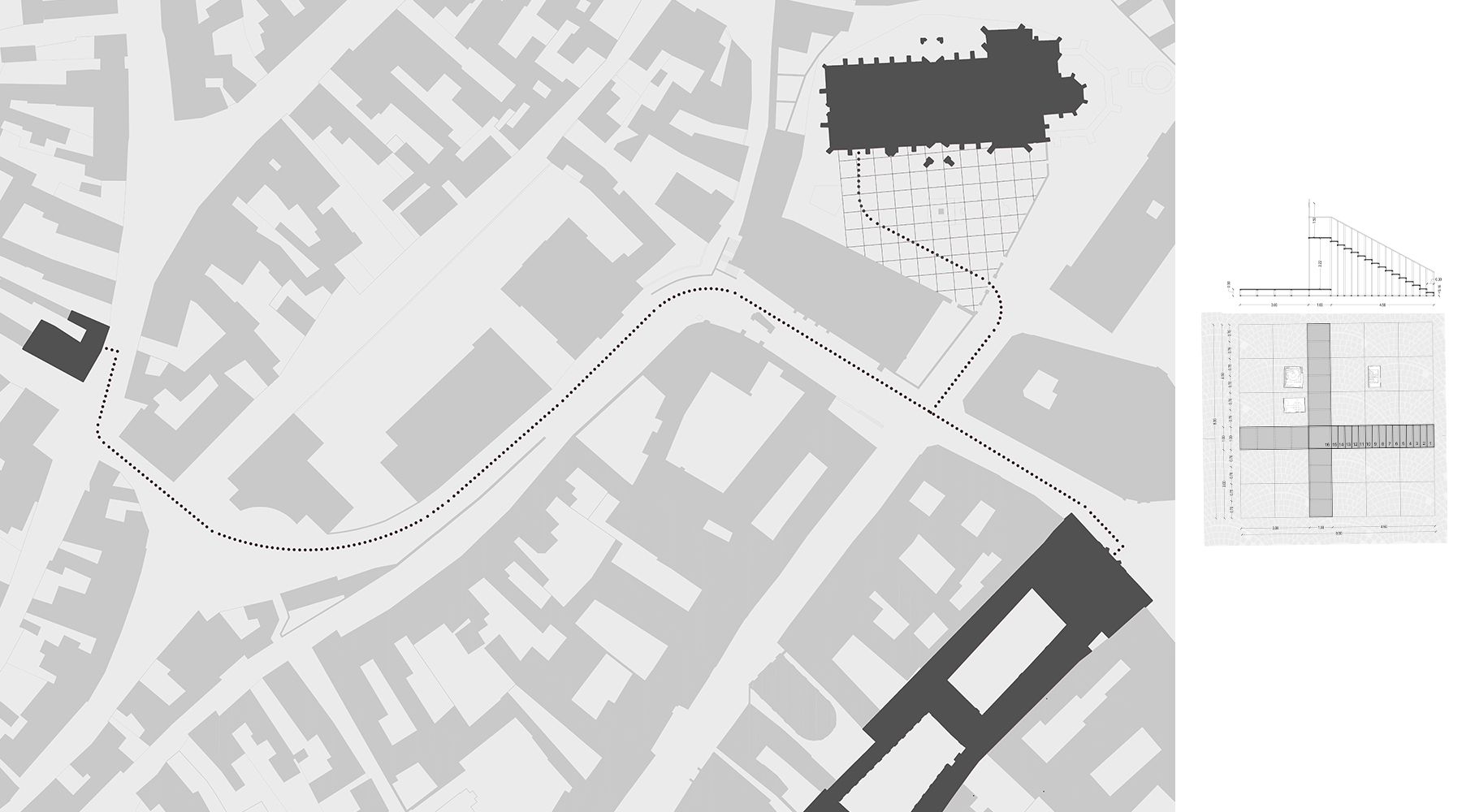
Restored Heritage begins with what can be documented. In Huet Square, an installation inspired by the logic of an archaeological site translates research findings into spatial form. The depth at which the fragments were discovered determines the level of a staircase, revealing the invisible topography of the excavation and the extent of our present knowledge.
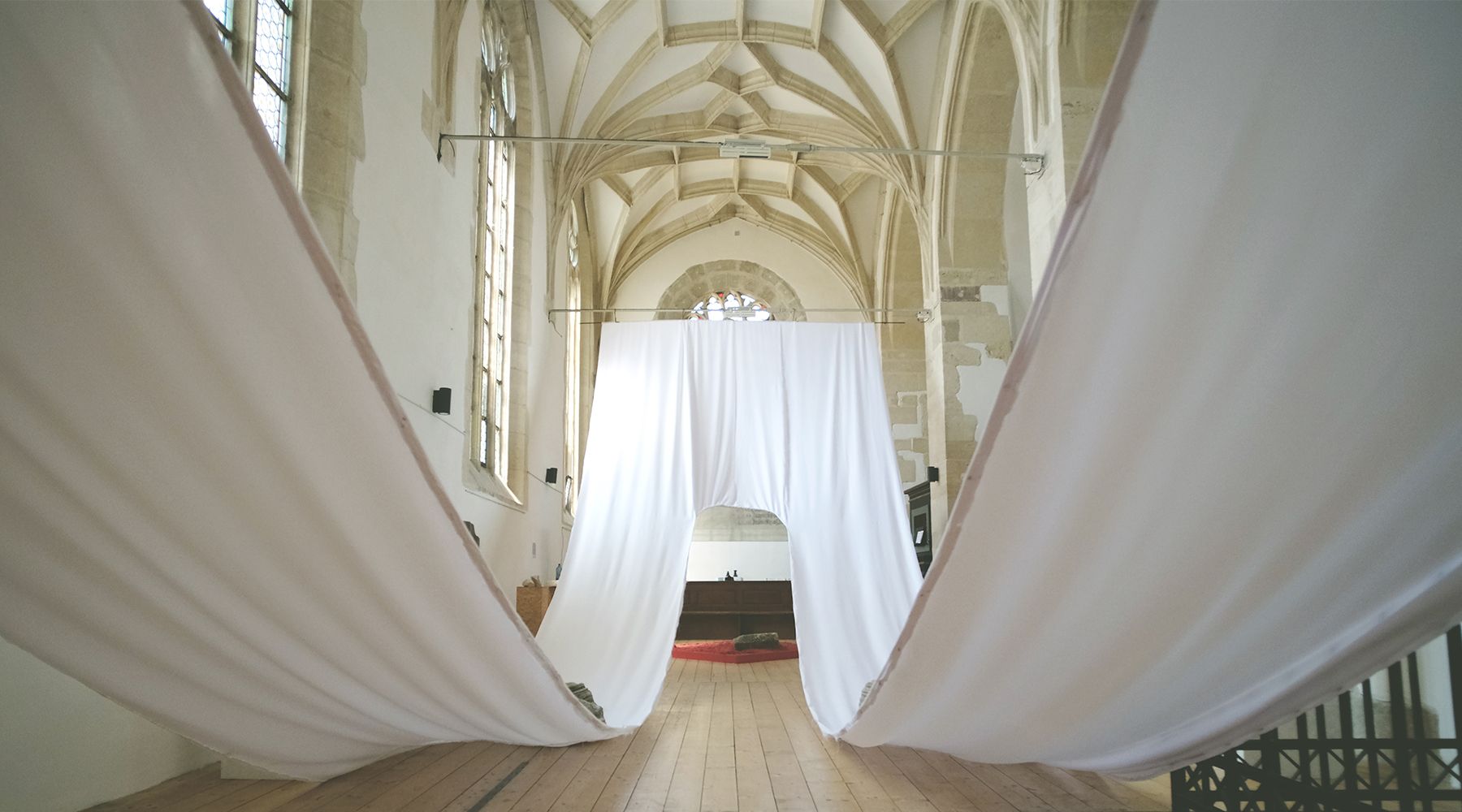
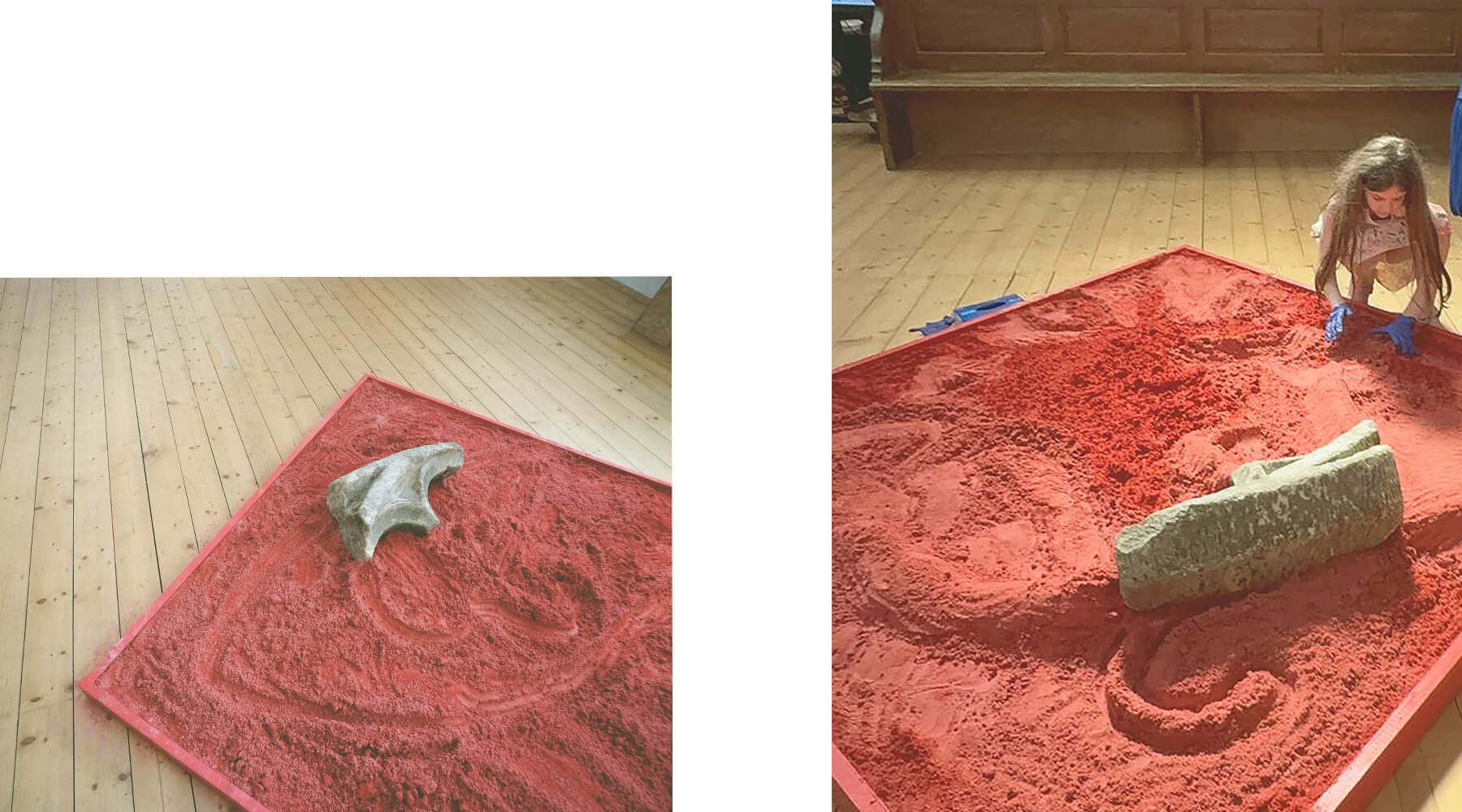
Reinterpreted Heritage moves beyond what can be demonstrated. In the western hall, or ferula, of the Evangelical Cathedral, the fragments become clues to possible forms and histories. An artistic approach makes room for imagination, ambiguity and participation, making what we do not know part of the experience.
Replicated Heritage explores ways of passing on what we have discovered. At m28form, casts, replicas and reinterpretations examine the relationships between original and copy, authenticity and reproduction, object and information.
A live video network connects these chapters across Huet Square, the Evangelical Cathedral, the Brukenthal National Museum and m28form. Rather than virtualising the object, we make visible the processes unfolding simultaneously at the other locations. Visitors can look from one space into the others, witnessing actions, workshops and interpretations beyond their physical route. The network breaks down the boundaries between spaces that lay claim to heritage.
